When Should Elderly Parents Stop Driving? Signs to Notice and Kinder Conversations
Sewn-in label
- Published
- Takes
- 3 min read
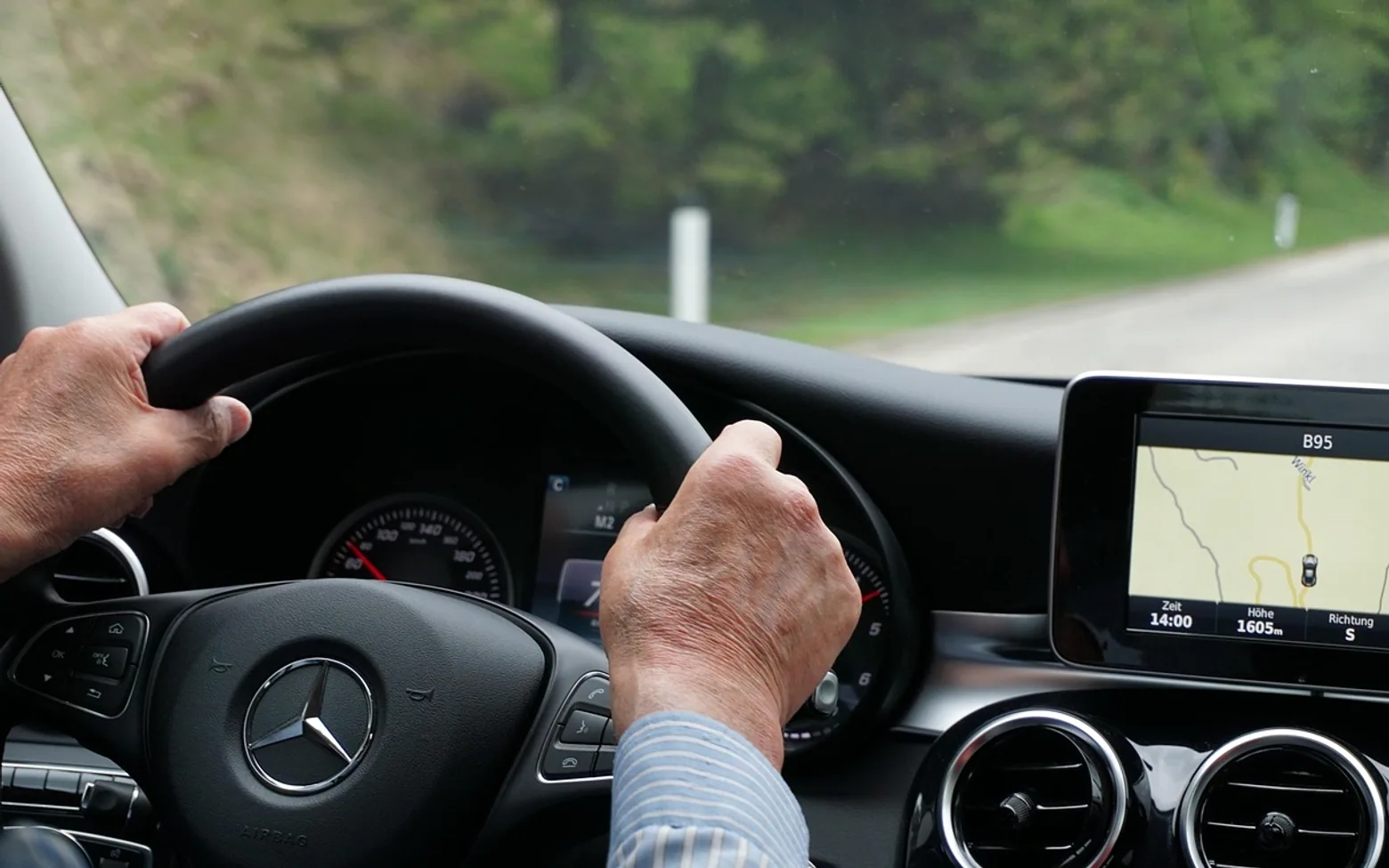
For many older people, the car means far more than transport. It is how they shop, see friends, get to appointments and feel like themselves. That is why the question of when to stop driving can be one of the most sensitive conversations a family has. There is no birthday at which everyone becomes unsafe behind the wheel. What matters is how a particular person is driving now, and whether that is changing.
Rules about older drivers, medical reporting and licence renewal vary by country and region, so check the requirements where your parent lives. This article is general information and does not replace advice from their doctor or the local licensing authority.
Signs families often notice
A single incident is not necessarily a reason to stop, but a pattern deserves attention. Things to watch for include:
- new dents, scrapes or damage to the car that they cannot explain;
- getting lost on familiar routes;
- missing road signs, traffic lights or other vehicles;
- drifting between lanes or braking suddenly without clear reason;
- other drivers often hooting at them;
- seeming anxious, tired or confused after driving;
- friends or neighbours quietly mentioning concerns.
If you can, take a few journeys as a passenger before drawing conclusions. Notice how they handle junctions, roundabouts, parking and busy traffic.
Health changes that can affect driving
Many conditions common in later life can influence driving ability, often gradually. Vision changes, stiff joints that make it hard to turn the head, slower reaction times, memory problems and some medicines that cause drowsiness can all play a part. Some of these can be improved, for example with new glasses, cataract treatment or a medicine review.
Encourage your parent to have regular eye tests and to ask their GP or pharmacist whether any of their medicines could affect driving. These are reasonable, everyday questions rather than accusations.
How to start the conversation
Timing and tone make a big difference. A few approaches that tend to go better:
- Choose a calm moment. Not straight after a near miss or in front of others.
- Lead with care, not criticism. "I worry about you on that road in the dark" lands differently from "You are not safe any more."
- Use specific examples. Mention what you have seen rather than general impressions.
- Ask for their view. Many older drivers have already noticed changes and may feel relieved to talk.
- Think in steps. Giving up night driving or motorways can be a first stage rather than an all-or-nothing choice.
Expect more than one conversation. It is normal for a parent to feel defensive at first.
Getting an outside view
Sometimes a neutral opinion helps. Options in many areas include a driving assessment run by a specialist centre, a refresher lesson with a driving instructor or a conversation with their GP, who can consider any health conditions. An independent view can take the pressure off family relationships.
Keeping independence after the car
Stopping driving can bring loneliness and a sense of loss, so planning alternatives matters as much as the decision itself.
| Need | Possible alternatives |
|---|---|
| Shopping | Online delivery, a regular lift from family or a neighbour |
| Appointments | Community or volunteer transport schemes, taxis booked in advance |
| Seeing friends | Local buses, shared lifts, social clubs that arrange transport |
| Spontaneous trips | A small taxi budget, perhaps funded by money saved on running the car |
If you live far away, coordinating these arrangements is part of the wider picture covered in our guide to long-distance caregiving.
If safety is an immediate concern
If you believe your parent poses a real risk to themselves or others and they will not stop, speak to their GP about your concerns and find out what the local rules allow or require. In an emergency, contact the emergency services. These situations are painful, but protecting lives has to come first.
Respect throughout
Whatever the outcome, the goal is to keep your parent safe while respecting their dignity and their right to have a say. Acknowledge the loss, involve them in planning what comes next and keep checking in as they adjust.
Don’t miss these
 Restful SleepHow to Sleep With a Cold: Easing a Cough and Blocked Nose at Night4 min
 Caring for ParentsLong-Distance Caregiving: Supporting an Ageing Parent From Afar3 min
 Stress & MindThe 5-4-3-2-1 Grounding Technique: A Senses-Based Reset for Anxious Moments3 min
 HealthSenior Care Options in Germany: Understanding Your Choices3 min
These pages are for general reading only and never stand in for someone who can examine you.
Cut from the same clothCaring for Parents
 Caring for Parents The Sandwich Generation: Caring for Ageing Parents and Children at Once 4 min read
  Caring for Parents Why Do Elderly People Sleep So Much? What Is Normal and When to Ask 4 min read
  Caring for Parents Assisted Living vs Nursing Home: Understanding the Difference for an Ageing Parent 4 min read