Daily Habits Every Implant Patient Should Adopt for Lifelong Oral Health
Sewn-in label
- Published
- Takes
- 3 min read
- Re-stitched
A titanium post cannot get a cavity, and that fact lulls some people into treating an implant as a tooth that looks after itself. The crown may be tough, but the gum cuff and the bone around the post are living tissue, and they respond to plaque in much the same way natural gums do. The good news is that the routine protecting an implant is short, and it benefits every other tooth in the mouth at the same time.
Morning and evening: the cleaning basics
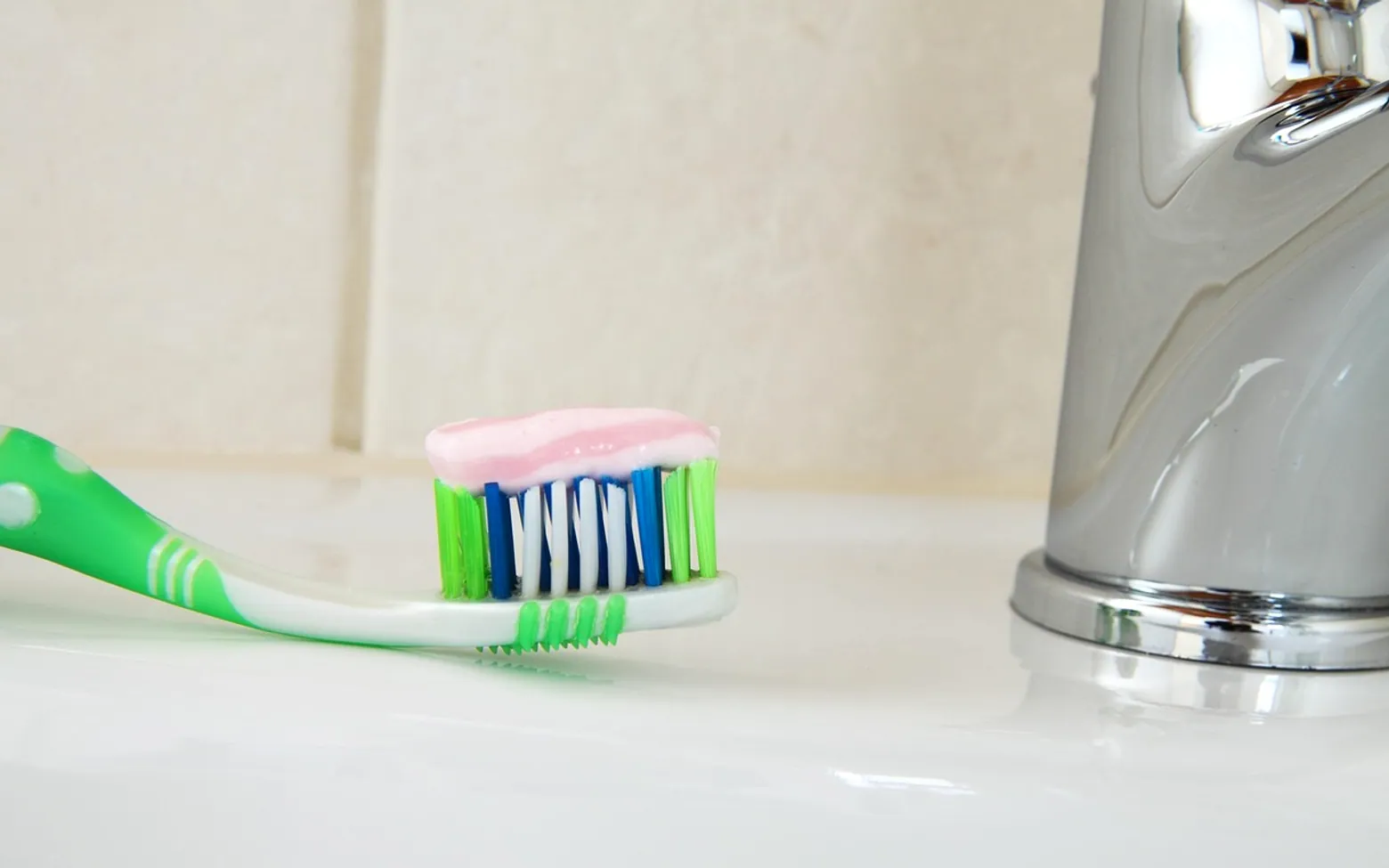
Most of the work happens at the sink, twice a day. A soft brush, manual or electric, is kinder to the margin where crown meets gum than firm bristles. Angling the head slightly towards the gumline and moving it in small circles lifts plaque without scrubbing tissue away. Two minutes feels long the first few weeks; a timer or a brush that buzzes at intervals helps.
Brushing alone misses the sides of the crown. Depending on the space available, people use small interdental brushes, implant-friendly floss with a stiffened end, or a water flosser. Practices like Summerbrook Dental & Implants Fort Worth typically show patients which of these tools fits their particular restoration, which is worth asking about at the fitting appointment so the routine starts correctly from day one.
A gentle last step at night is to stop eating after brushing. Saliva does a quiet repair job overnight when it is not constantly interrupted by snacks.
What goes on the plate
- Frequent sugary drinks keep bacteria fed all day; water or unsweetened tea between meals gives gums a break.
- Crisp vegetables and fruit encourage chewing and saliva flow.
- Very sticky sweets cling around the crown edge, so a rinse with water afterwards is a good habit.
- Hard items such as ice cubes or popcorn kernels can chip porcelain; biting them is best avoided.
Protecting the hardware from pressure
Clenching or grinding, often during sleep or stressful workdays, puts heavy repeated force on the crown and the small screw beneath it. Many people only learn they grind when a partner hears it or a dentist sees wear. If that applies, a dentist can discuss a custom night guard. During the day, a simple cue helps: lips closed, teeth slightly apart, tongue resting behind the upper front teeth.
Smoking deserves a mention here too. Tobacco narrows the small vessels feeding the gums and is widely linked with more implant problems, so any step towards stopping supports the work already done.
Check-ups and the signs worth reporting
Regular hygiene visits let the team measure the gum pocket around the implant, clean hardened deposits with instruments that will not scratch it, and take an X-ray from time to time to confirm the bone level looks stable. How often these visits happen depends on each person's gum history, so the right interval is something to agree with the dentist individually.
Between appointments, keep an eye out for:
- bleeding around the implant when brushing that lasts more than a few days;
- redness, puffiness or a bad taste near the crown;
- a crown that feels loose, clicks or bites differently.
Should one of these appear, ring the practice soon instead of waiting for the routine check. Caught early, gum inflammation around an implant is usually far easier to manage. Mentioning new medicines or health changes at each visit also helps the dental team adjust care sensibly. Small, boring habits, repeated daily, are what keep an implant comfortable for the long haul.
Don’t miss these
 Restful SleepHow to Sleep With a Cold: Easing a Cough and Blocked Nose at Night4 min
 Caring for ParentsLong-Distance Caregiving: Supporting an Ageing Parent From Afar3 min
 Stress & MindThe 5-4-3-2-1 Grounding Technique: A Senses-Based Reset for Anxious Moments3 min
 HealthSenior Care Options in Germany: Understanding Your Choices3 min
These pages are for general reading only and never stand in for someone who can examine you.