Why Do I Wake Up at 3am? Common Reasons and Gentle Next Steps
Sewn-in label
- Published
- Takes
- 3 min read
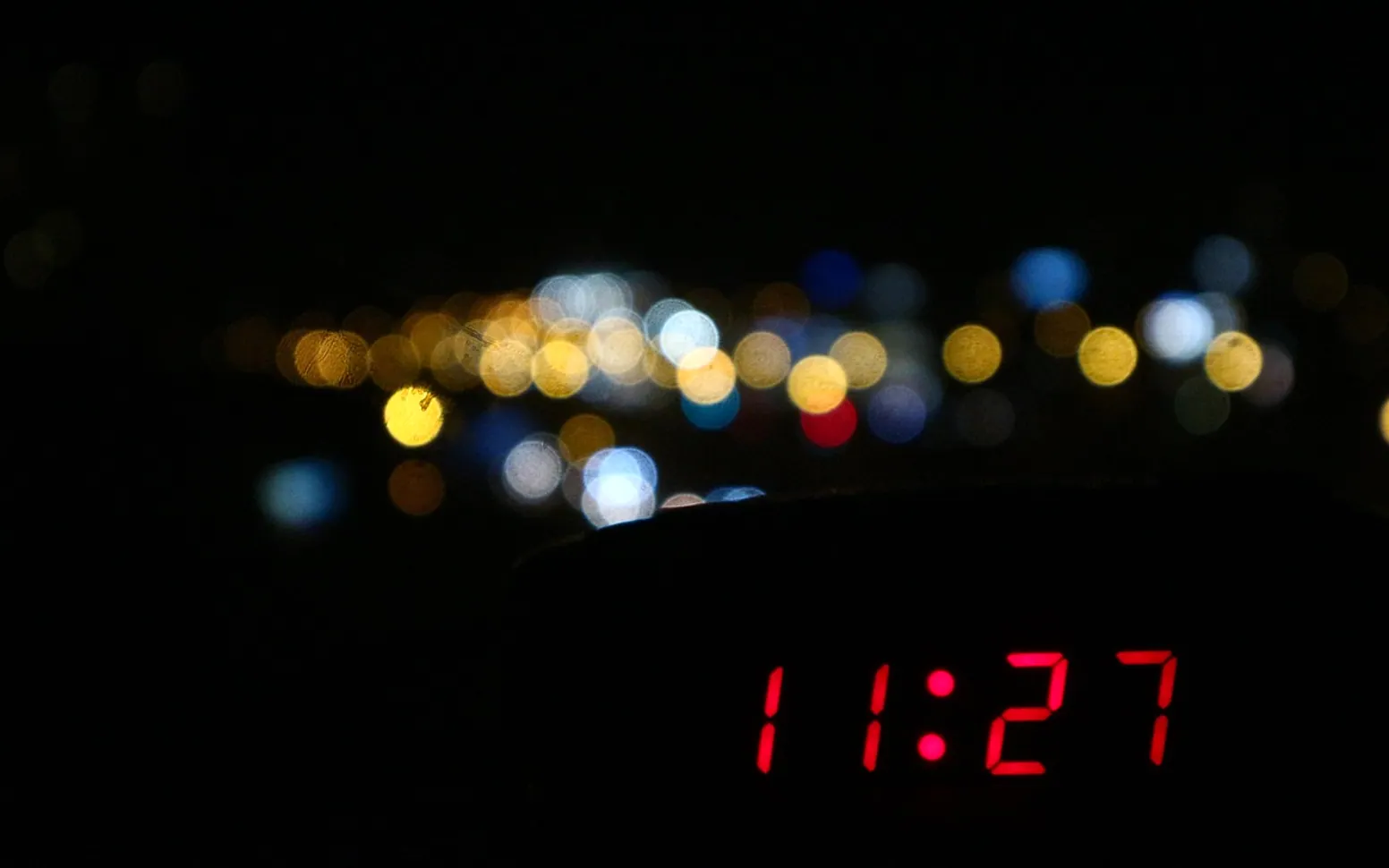
The clock glows 3:07. You were asleep a moment ago and now you are wide awake, listening to the fridge hum and wondering why this keeps happening. Waking in the middle of the night is one of the most common sleep complaints, and in many cases it has ordinary explanations. Knowing them can take some of the frustration out of those quiet hours.
This article offers general information, not a diagnosis. If broken sleep is affecting your days, the section near the end explains when it is worth talking to a professional.
Brief waking is a normal part of sleep
Sleep moves in cycles through the night, shifting between lighter and deeper stages. Towards the second half of the night, the lighter stages and dreaming sleep take up more of each cycle. Short awakenings between cycles are normal, and most people simply forget them. The trouble starts when something keeps you awake long enough to notice the time, and then your mind joins in.
Everyday reasons for waking in the small hours
A busy or worried mind
Stress does not always stop you falling asleep. Sometimes it shows up later, when lighter sleep gives worries a chance to surface. Lists, deadlines and replayed conversations can feel louder in the dark. Our piece on stepping out of an overthinking loop has ideas that work in daytime too, which often makes the night quieter.
Alcohol in the evening
A drink can make you drowsy at first, but as the body processes it, sleep in the second half of the night often becomes lighter and more broken. Many people notice that early-morning waking improves on alcohol-free evenings.
A room that is too warm, bright or noisy
Heating that clicks on, streetlights through thin curtains, a partner who snores or early birdsong can each tip light sleep into waking. Our guide to the best temperature for sleeping covers the room itself.
Needing the toilet
Drinking a lot late in the evening is an obvious cause. Waking several times a night to pass urine, especially if it is new, is worth mentioning to a GP, as it can have several medical causes that are easy to check.
Late caffeine, irregular hours and long naps
Coffee, strong tea, cola and energy drinks can linger for hours. Going to bed at very different times through the week, or napping late in the afternoon, can also leave the body less ready for a long unbroken stretch.
Life stage and health changes
Sleep often becomes lighter with age. Hormonal changes, pain, indigestion, breathing problems and some medicines can all play a part. A pharmacist can tell you whether anything you take is known to affect sleep.
What to do while you are lying awake
- Turn the clock away. Checking the time tends to start mental arithmetic about how many hours are left.
- Keep the lights low and the phone down. Bright screens and messages wake the mind further.
- Breathe slowly. A longer out-breath than in-breath helps many people feel calmer.
- Get up if it drags on. If you have been awake for what feels like a long while, move to another dim room and do something dull, such as reading a printed book, then return when sleepy.
- Park the worry. A notepad by the bed lets you write down the thought and deal with it in the morning.
Daytime habits that help the night
- Get up at roughly the same time each day, including weekends.
- Spend some time outdoors in daylight, ideally in the morning.
- Move your last caffeinated drink to earlier in the day.
- Keep alcohol for occasional evenings and notice how you sleep after it.
- Give yourself a wind-down half hour without work email.
When to speak to a GP
Occasional early waking during a stressful patch usually settles by itself. Book an appointment with your GP if:
- broken sleep has lasted for several weeks and affects your mood, work or driving;
- someone notices you snore loudly, gasp or seem to stop breathing in your sleep;
- you wake with chest pain, heartburn, night sweats or a racing heartbeat;
- low mood, worry or early waking come together and do not lift.
If you ever feel you cannot keep yourself safe, contact emergency services or a crisis line in your country straight away.
| Pattern you notice | Something to try first |
|---|---|
| Waking after evenings with a drink | A few alcohol-free nights to compare |
| Mind racing on waking | A notepad and a short daytime "worry slot" |
| Waking hot | Lighter bedding and better airflow |
| Waking at first light | Thicker curtains or an eye mask |
Don’t miss these
 Restful SleepHow to Sleep With a Cold: Easing a Cough and Blocked Nose at Night4 min
 Caring for ParentsLong-Distance Caregiving: Supporting an Ageing Parent From Afar3 min
 Stress & MindThe 5-4-3-2-1 Grounding Technique: A Senses-Based Reset for Anxious Moments3 min
 HealthSenior Care Options in Germany: Understanding Your Choices3 min
These pages are for general reading only and never stand in for someone who can examine you.