Is Brown Sugar Healthier Than White Sugar? Honey and Syrups Compared Too
Sewn-in label
- Published
- Takes
- 4 min read
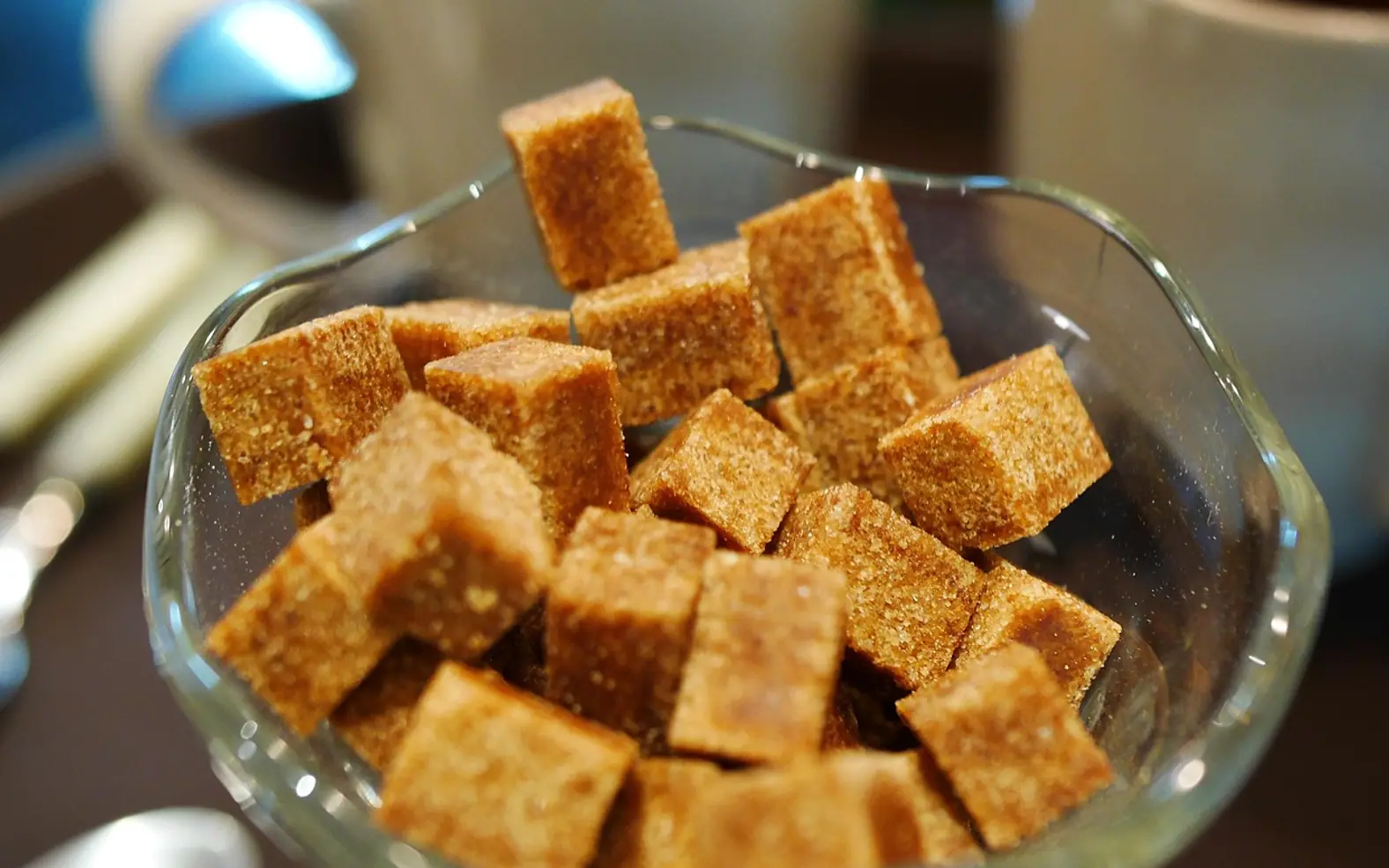
Not in any meaningful way. Brown sugar is essentially white sugar with some molasses left in or added back, which gives it colour, moisture and a caramel taste. It carries tiny amounts of minerals from the molasses, far too little to matter in the quantities anyone would sensibly eat. Honey, maple syrup and coconut sugar follow the same rule: different flavours, similar effect. What matters more is how much sugar you have overall.
How the common sweeteners differ
| Sweetener | What it is | Taste and texture | Worth knowing |
|---|---|---|---|
| White sugar | Refined sucrose from cane or beet | Clean, neutral sweetness | The baseline that recipes are built on |
| Brown sugar | White sugar with molasses | Moist, caramel notes | Light and dark versions differ only in the amount of molasses |
| Raw or unrefined cane sugars | Less processed crystals that keep some molasses | Coarser, toffee-like | Still sugar, despite the earthier look |
| Honey | Made by bees, mostly fructose and glucose | Floral, varies by source | Sweeter by the spoon than sugar for many people; not for babies under one |
| Maple syrup | Boiled-down tree sap | Woody, rich | Pure syrup and "maple-flavoured" syrup are different products |
| Coconut sugar | Dried coconut palm sap | Caramel-like | Often marketed as healthier, but still counted as sugar |
Is honey healthier than sugar?
Honey contains small amounts of other compounds that sugar does not, and some people find they use less of it because it tastes sweeter. Nutritionally, though, honey is still mostly sugar, and health guidance generally counts it alongside table sugar and syrups. If you prefer the taste of honey in porridge or tea, there is no reason to avoid it; just do not assume a generous drizzle is a health food. Honey should never be given to babies under twelve months old.
Added sugar vs natural sugar
A more useful distinction than brown versus white is where the sugar sits.
- Sugars naturally present in whole foods, such as those in a whole apple or a glass of plain milk, come packaged with fibre, water, protein or other nutrients.
- Added sugars are those put in during cooking or manufacturing, or spooned in at the table. This includes white and brown sugar, honey, syrups and fruit juice concentrates.
Many health bodies use a related term, "free sugars", which also covers the sugar in fruit juices and smoothies, because squeezing or blending fruit releases sugar from the structure that slows it down. Public health guidance generally recommends keeping free sugars to a small part of daily energy. If you need a personal target, a registered dietitian or your doctor can help.
Spotting sugar on the label
Sugar appears under many names on ingredient lists, including sucrose, glucose, dextrose, fructose, glucose syrup, invert sugar, cane juice, malt syrup, agave and honey. If several appear in one product, together they may add up to more than the first ingredient. Our guide on how to read nutrition labels shows where to look on the panel and how to compare two products quickly.
Cutting back without feeling deprived
- Start with drinks. Sweetened drinks are often the easiest place to reduce sugar without missing much.
- Halve, do not ban. Use half a spoon in tea or coffee for a couple of weeks, then halve again. Taste adapts gradually.
- Sweeten with fruit. Chopped fruit or grated apple in porridge or plain yoghurt adds sweetness alongside fibre.
- Use spices. Cinnamon, vanilla, nutmeg and cardamom give an impression of sweetness.
- Reduce sugar in baking. Many home recipes still work with a little less sugar, although texture can change, so experiment in small steps.
- Plan the treat. Enjoying a dessert deliberately is different from grazing on sweets all afternoon.
If sugar cravings strike mainly when you are tired or skipping meals, our article on why you might feel hungry all the time looks at the patterns behind them.
Common questions
Does the colour of sugar affect teeth differently?
Not in any useful way. Any sugar, brown, white or honey, feeds the bacteria that contribute to tooth decay. How often you have sugary foods and drinks matters, so keeping them to mealtimes and brushing twice a day with fluoride toothpaste helps.
Is brown sugar better for people with diabetes?
No. Brown sugar affects blood sugar in much the same way as white sugar. Anyone managing diabetes should follow the advice of their own healthcare team.
Can I swap brown sugar for white in recipes?
Usually, yes, cup for cup, though brown sugar makes bakes softer, moister and a little darker. It is a matter of taste, not health.
Are sugar-free sweeteners a better choice?
They are a different topic with their own pros and cons. If you are thinking of switching, a dietitian or pharmacist can talk through which options suit your situation.
Don’t miss these
 Restful SleepHow to Sleep With a Cold: Easing a Cough and Blocked Nose at Night4 min
 Caring for ParentsLong-Distance Caregiving: Supporting an Ageing Parent From Afar3 min
 Stress & MindThe 5-4-3-2-1 Grounding Technique: A Senses-Based Reset for Anxious Moments3 min
 HealthSenior Care Options in Germany: Understanding Your Choices3 min
These pages are for general reading only and never stand in for someone who can examine you.