Whole Grain vs Whole Wheat: What the Labels Mean on Bread and Pasta
Sewn-in label
- Published
- Takes
- 4 min read
Whole wheat is simply one type of whole grain. "Whole grain" means a product uses the entire kernel of any cereal grain, whether that is wheat, oats, barley, rye, rice or another grain. "Whole wheat" (often called wholemeal in Britain) means the whole kernel of wheat specifically. So all whole wheat is whole grain, but a whole grain product does not have to contain any wheat at all.
What are whole grains?
A cereal kernel has three parts:
- Bran: the tough outer layer, rich in fibre.
- Germ: the small part that would sprout into a new plant, containing fats, vitamins and minerals.
- Endosperm: the starchy centre that makes up most of the kernel.
A whole grain keeps all three. Refining, as for white flour or white rice, removes the bran and germ and leaves mostly the endosperm. That gives a softer texture and longer shelf life but loses much of the fibre and some nutrients. Some refined flours are "enriched" or fortified with certain vitamins and minerals afterwards, but the fibre is not put back.
Familiar whole grains include:
- Whole wheat, including bulgur, freekeh and whole wheat couscous
- Oats and oatmeal
- Brown, red and black rice
- Barley (pot barley rather than pearl barley, which has some bran removed)
- Rye
- Corn, including popcorn
- Millet, sorghum and teff
- Quinoa and buckwheat, which are seeds rather than true cereals but are eaten and counted in the same way
Decoding the pack
| Words on the label | What it usually means |
|---|---|
| Whole grain / wholegrain | Made with the whole kernel of one or more grains; check how much |
| Whole wheat / wholemeal | Made with whole wheat flour |
| 100% whole wheat or 100% wholemeal | All the flour is whole wheat |
| Wheat flour / enriched wheat flour | Refined white flour |
| Multigrain / seeded | More than one grain or added seeds, which may be mostly refined |
| Brown / wheatgerm / malted | Colour or flavour can come from added malt or other ingredients; not proof of whole grain |
| Stoneground | Describes the milling method, not whether the bran is kept |
| High fibre | Higher in fibre, which may come from added bran rather than whole grain |
How to check in the shop
- Read the ingredient list, not the front. Ingredients are listed by weight, so look for a whole grain flour or grain named first.
- Watch for a mix. "Wheat flour, wholemeal wheat flour" means there is more refined flour than whole.
- Compare fibre. When two loaves look similar, the fibre line on the nutrition panel is a quick tiebreaker. Our guide on how to read nutrition labels walks through the panel.
- Do not judge by colour. A pale loaf made from white wheat varieties can be whole grain, and a dark loaf can be mostly white flour.
Is whole wheat healthier than white?
In general, whole grain versions keep more fibre, vitamins and minerals than refined versions, and eating more whole grains is a common recommendation in healthy eating guidance. The fibre can also help a meal feel more filling, so a whole grain breakfast may carry you further towards lunch; our piece on feeling hungry all the time looks at that link. That does not make white bread forbidden. It is one part of an overall pattern.
Easy ways to eat more whole grains
- Swap to wholemeal bread or rolls, or try a half-and-half loaf as a stepping stone.
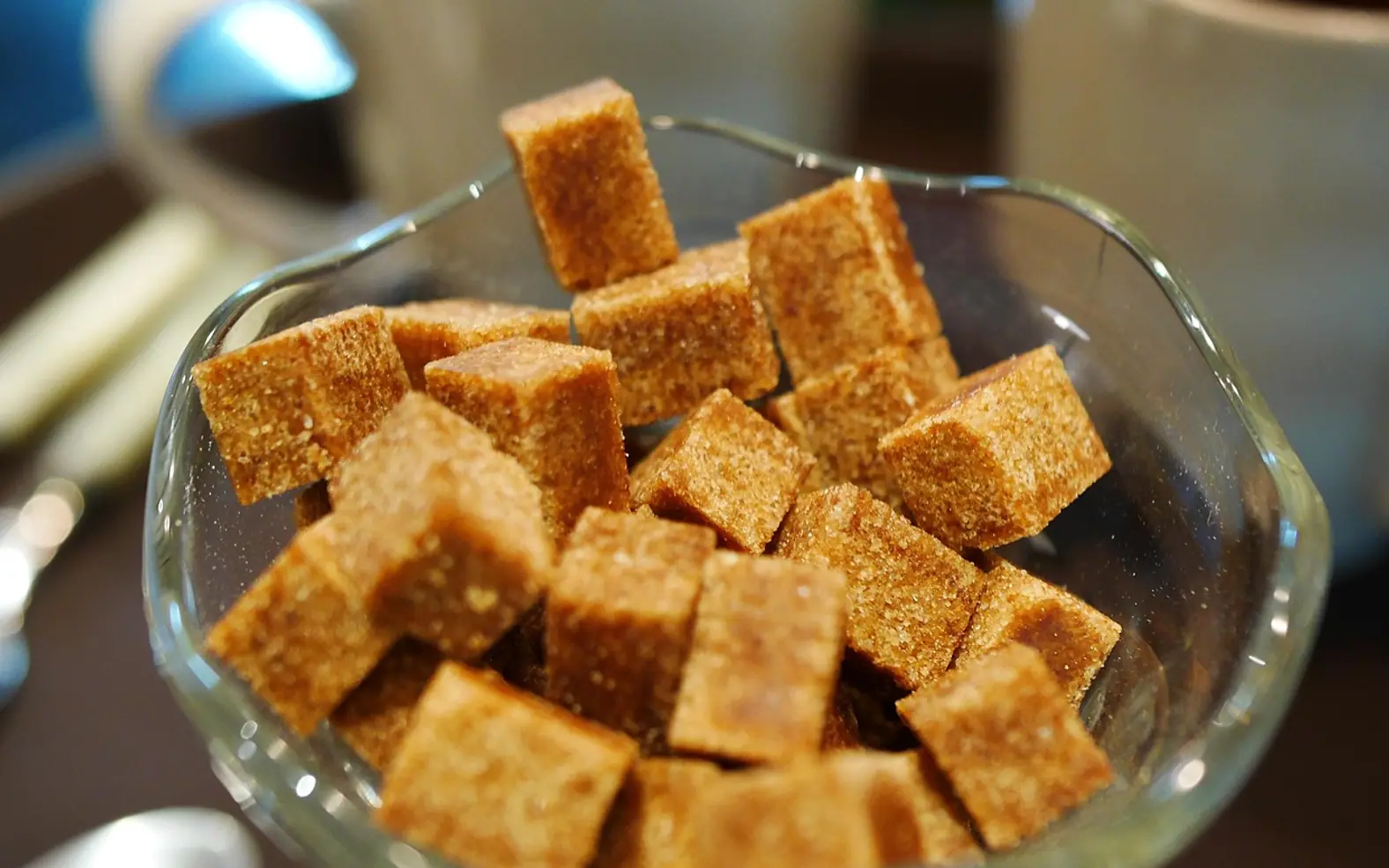
- Choose porridge oats or plain whole grain cereal for breakfast, and sweeten with fruit; our look at brown sugar, honey and syrups explains why the type of sugar matters less than the amount.
- Mix brown rice half and half with white rice until you are used to the nuttier taste.
- Use whole wheat pasta in strongly flavoured dishes such as tomato or pesto sauces, where the difference is less noticeable.
- Add pot barley or bulgur to soups and salads.
- Choose plain popcorn as an occasional snack.
Increase fibre gradually and drink enough fluids, as a sudden jump can cause bloating or wind.
Questions people ask
Is brown bread the same as whole wheat bread?
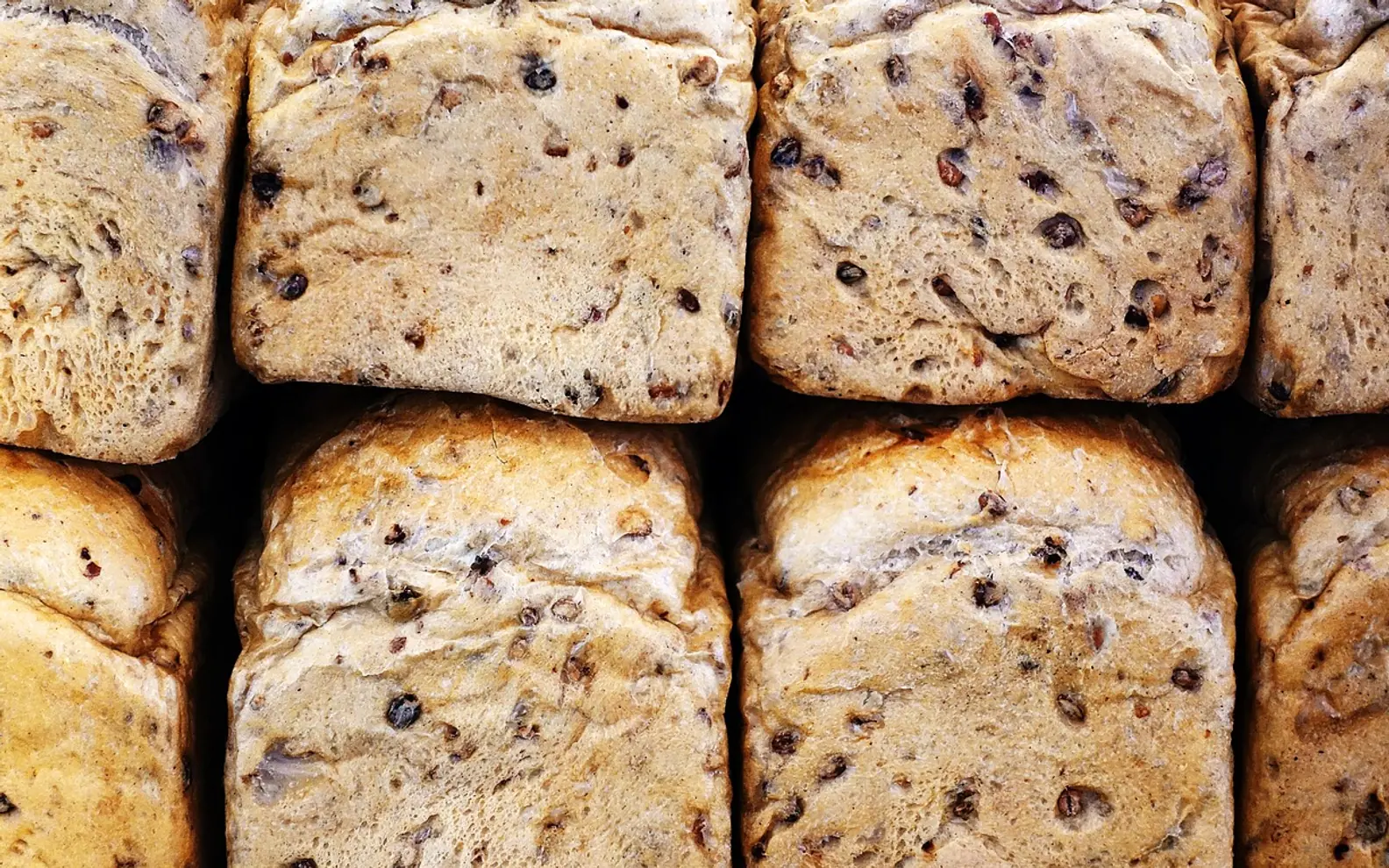
Not necessarily. "Brown bread" is not a precise term, and some brown loaves get their colour from malt or caramel rather than from the bran. The ingredient list will tell you.
Are whole grains gluten-free?
Some are and some are not. Wheat, barley and rye contain gluten. Oats are naturally free of it but are often contaminated during processing. Anyone with coeliac disease or a diagnosed intolerance should follow the advice of their doctor or dietitian.
What about people trying to manage their weight?
Whole grains can be part of most eating patterns. Body weight depends on much more than the bread you choose, as our article on whether BMI is an accurate measurement discusses. For personal advice, speak to a GP or registered dietitian.
Don’t miss these
 Restful SleepHow to Sleep With a Cold: Easing a Cough and Blocked Nose at Night4 min
 Caring for ParentsLong-Distance Caregiving: Supporting an Ageing Parent From Afar3 min
 Stress & MindThe 5-4-3-2-1 Grounding Technique: A Senses-Based Reset for Anxious Moments3 min
 HealthSenior Care Options in Germany: Understanding Your Choices3 min
These pages are for general reading only and never stand in for someone who can examine you.