A single figure on a scale, divided by height squared, has shaped how weight gets talked about in surgeries, insurance forms and fitness apps for decades. Body Mass Index earns that place because it is fast and free. The harder question is what it can honestly tell one particular person standing in front of a mirror.
What the formula actually measures
BMI compares body weight with height and nothing else. It has no idea whether a kilogram sits in a thigh muscle, a dense skeleton or the fat stored around the organs. That blind spot is not a flaw in the maths; it is simply the price of a calculation that needs only two inputs. Because it is so easy, it works well as a first sorting step. Researchers can compare huge groups of people with it, and a busy clinic can spot someone whose weight may deserve a closer conversation.
Getting the number takes seconds. A free online calculator such as https://bmi-rechner-frau.de/ asks for height and weight and returns the result straight away, which makes it a handy starting point before looking at the wider picture.
People the number tends to misread
Because the index treats all mass the same, certain groups regularly land in the wrong box:
- Strength athletes and manual workers. Heavy, well-trained muscle can push someone into the "overweight" band while their body fat is modest.
- Older adults. Muscle often thins with age while fat quietly increases, so a reading inside the "normal" range can hide a less healthy composition.
- Different ancestries. Health organisations have noted that weight-related conditions can appear at lower BMI values in some populations, which is why a few countries use adjusted cut-offs for certain groups.
- Pregnancy and growing children. Standard adult bands do not apply here; young people are judged against growth charts matched to their age and sex.
None of this makes BMI useless. It means the result is a prompt for questions rather than a verdict.
Measurements that add context
| Check | What it adds | How easy it is at home |
|---|---|---|
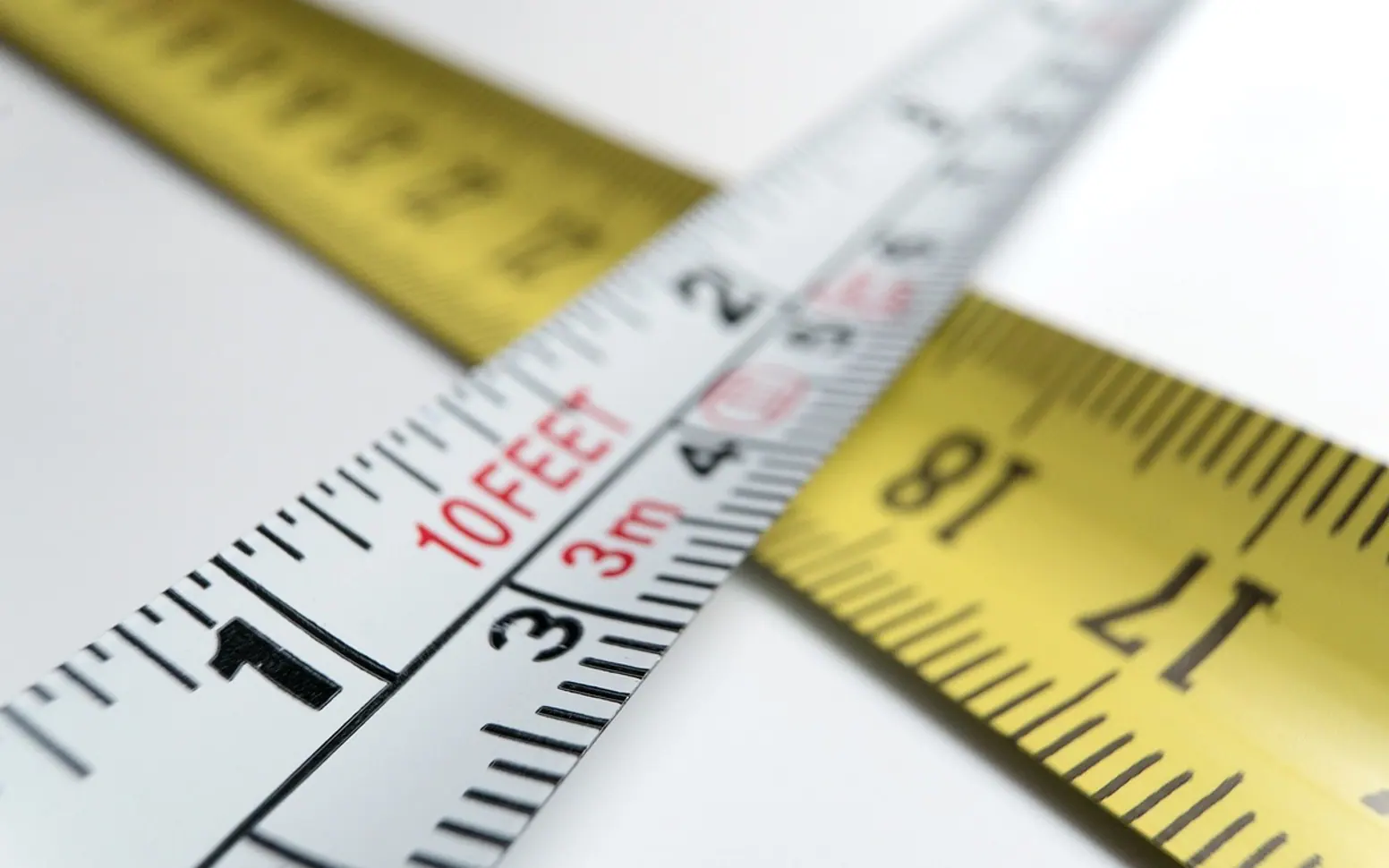
| Waist circumference | Hints at fat carried around the middle | Very easy with a tape measure |
| Waist-to-height or waist-to-hip ratio | Shows how weight is distributed | Easy, a little arithmetic |
| Body-fat estimate | Separates fat from lean mass | Smart scales give rough figures; clinic methods are more precise |
Home body-fat scales vary a lot depending on hydration and the time of day, so trends over several weeks say more than any single reading.
Putting the pieces together
A sensible approach is to treat BMI as one line in a short list. Note the number, measure the waist at the same spot each time, and pay attention to everyday signals such as energy, sleep and how easily stairs feel. Blood pressure, blood sugar and cholesterol tests carried out by a GP reveal far more about risk than any weight formula.
If the result surprises you, or if a change in weight is on your mind for health reasons, a doctor or practice nurse can interpret it alongside your history and suggest whether further checks make sense. That conversation matters most for anyone with a long-term condition, an eating disorder history, or medication that affects appetite.
Used this way, the index stays what it was designed to be: a quick, rough screen that opens a discussion, not a label that defines a body.
Don’t miss these
 Restful SleepHow to Sleep With a Cold: Easing a Cough and Blocked Nose at Night4 min
 Caring for ParentsLong-Distance Caregiving: Supporting an Ageing Parent From Afar3 min
 Stress & MindThe 5-4-3-2-1 Grounding Technique: A Senses-Based Reset for Anxious Moments3 min
 HealthSenior Care Options in Germany: Understanding Your Choices3 min
These pages are for general reading only and never stand in for someone who can examine you.